
First Contact Guide
What to say when reaching out, what information helps, and how to begin without needing to explain everything perfectly.
Use this page when you need a fast picture of how Unga Kris Helsingborg works, where to start, and what support tools are available for young people, families, and volunteers.
Not everyone arrives with the same need. Some people need immediate contact, some need information for a family conversation, and some need concrete ways to support the work.
If the situation feels urgent, contact the chapter directly through the contact page. If you are preparing, browsing, or bringing someone with you, the sections below are built to make that first step easier.
These cards cover the most common needs people bring to the chapter: immediate orientation, family guidance, safer routines, and tools for supporters.
What to say when reaching out, what information helps, and how to begin without needing to explain everything perfectly.

A straightforward overview for parents, siblings, and relatives looking for stable language, boundaries, and local connection points.
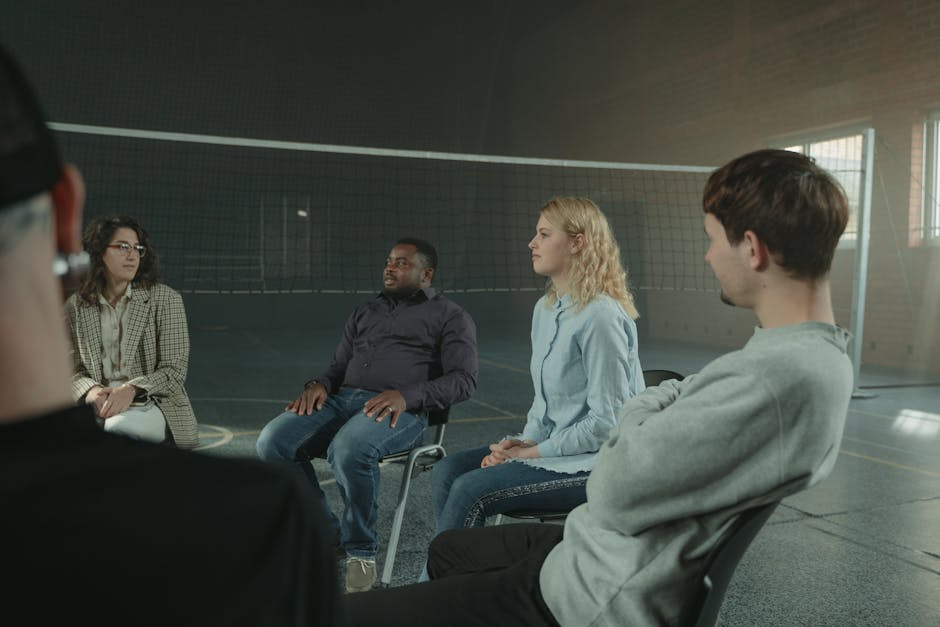
Simple routines around meals, transport, check-ins, and sober activities that reduce the pressure of unstable evenings and weekends.

What volunteers do, how shifts work, and the standards expected when showing up around young people in vulnerable situations.

Use these prompts when a young person is defensive, tired, or unsure about asking for help but still needs a low-pressure door open.
Quick facts, event talking points, and share-ready language that supporters can use online or in local conversations.
“We make room for honesty, but we also move toward action. The goal is not perfect words. The goal is safer choices, steady contact, and real alternatives to isolation, crime, and drugs.”
Whether you are a family member, a potential volunteer, or someone trying to help a friend, these are the fastest useful actions on this page.
Scan the FAQ to understand how the chapter works before starting a conversation with a young person who may be hesitant.
Open FAQUse the contact page when you need a direct reply, a referral path, or help figuring out who should take the next step.
Contact The TeamBring campaign facts and support language into your school, workplace, team, or neighborhood conversation this week.
Open MaterialsThese are common entry points people use when they are deciding whether to connect with the chapter or bring someone with them.
Most visitors get more value by moving through the material in a practical sequence rather than trying to read everything at once.
Start with the quick guidance sections to identify whether you need support, information, or a way to help.
Read the relevant resource card to prepare for a first conversation or to support someone else responsibly.
Use the FAQ to remove uncertainty around expectations, age range, privacy, volunteer roles, and practical logistics.
Move to the contact page once you are ready for direct guidance, registration, or follow-up from the chapter team.
The questions below reflect what people usually ask before they contact the chapter, bring someone to an activity, or volunteer for the first time.
They are for young people looking for change, family members trying to respond constructively, volunteers preparing to help, and supporters who want clear information before acting.
No. First contact can be brief. It is enough to explain what feels urgent, what support is being asked for, and whether the situation involves a young person, a family concern, or volunteer interest.
Yes. Families often make the first approach, especially when a young person is unsure, exhausted, or resistant. A first conversation can focus on options and next steps without pressure.
The chapter focuses on recovery-first support, community connection, practical guidance, safe activities, and pathways away from drugs, crime, and destructive environments.
No. They are practical support materials and campaign tools designed to help people prepare, communicate clearly, and understand the chapter’s approach before direct contact.
Use the contact page to register interest. From there, the team can explain current needs, expectations, and whether the best fit is outreach support, events, logistics, transport, or campaign work.
That helps directly. The donate action in the footer and the contact page both point toward ways to back transport, food, safe activities, and consistent local organizing.
Use the contact page. This page is designed to prepare and orient you; the contact page is the right place to start direct communication with the chapter team.
Use these links as placeholders for downloads, handouts, and talking points that supporters can circulate in schools, teams, community groups, and family networks.